Royal families
Queen Victoria Family Tree
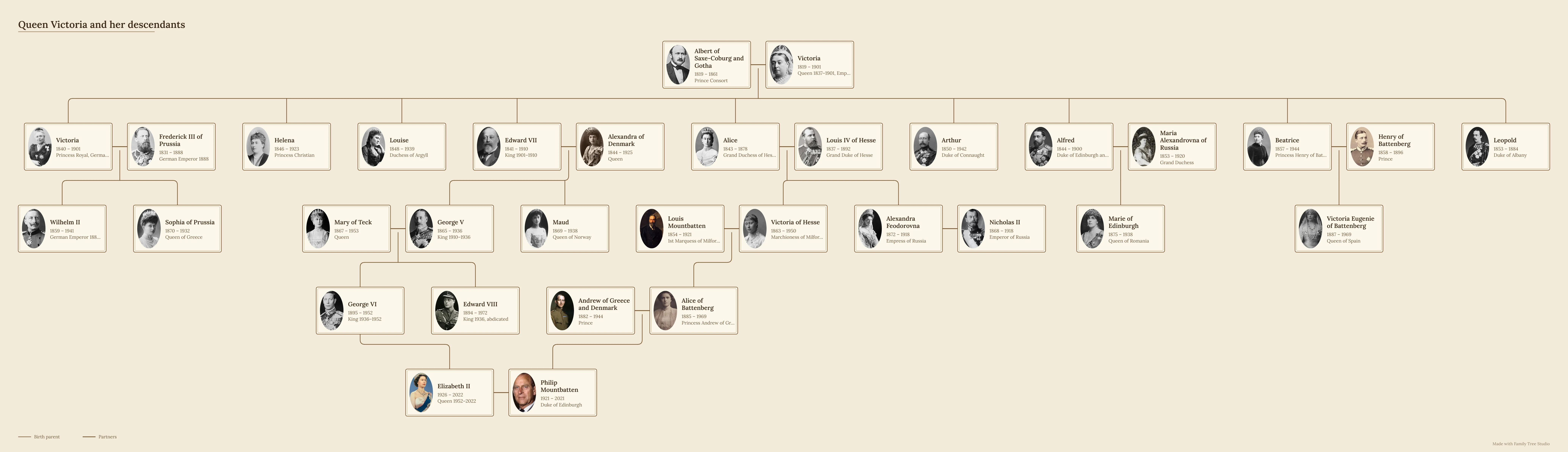
Queen Victoria and Prince Albert had nine children, and through careful marriages their 42 grandchildren spread across the royal houses of Europe. By 1914 her descendants sat on the thrones of Britain, Germany and Russia, and soon after on those of Norway, Greece, Romania and Spain, which is why she is called the “grandmother of Europe”. This family tree shows all nine children, the grandchildren who became kings, queens and empresses, and how both Queen Elizabeth II and Prince Philip descend from her.
By the Family Tree Studio team · Published · Checked against the editor it describes
Opens an editable copy in your browser: zoom in, add notes, change the style and print it as a PDF. Free, no sign-up.
The Queen Victoria family tree chart
Victoria and Albert are at the top, with their nine children in birth order below. The third row shows the grandchildren who became monarchs or consorts, and the bottom rows follow two lines down to the 20th century: from Edward VII to Elizabeth II, and from Princess Alice to Prince Philip, Elizabeth’s husband.
How to read the lines
- A short line between two people joins a couple; a dashed couple line means the marriage or relationship ended.
- A line going down from a couple (or one parent) to a horizontal bar leads to their children, who sit side by side on the row below.
- A dashed parent line with a small label marks an adoptive, step or guardian parent rather than a birth parent.
- Long lines across the chart join people who married into another branch. Click either person to see the connection highlighted.
Queen Victoria’s children and the royal grandchildren who ruled Europe, down to Elizabeth II and Prince Philip. Open the full-size image or open it in the editor to rearrange it.
Branch-by-branch family trees
The whole Queen Victoria family tree is wide because every generation sits on one row. These smaller charts follow one branch at a time: a person, their partners and all of their descendants. Click a chart to explore it above, or open it full size.
-
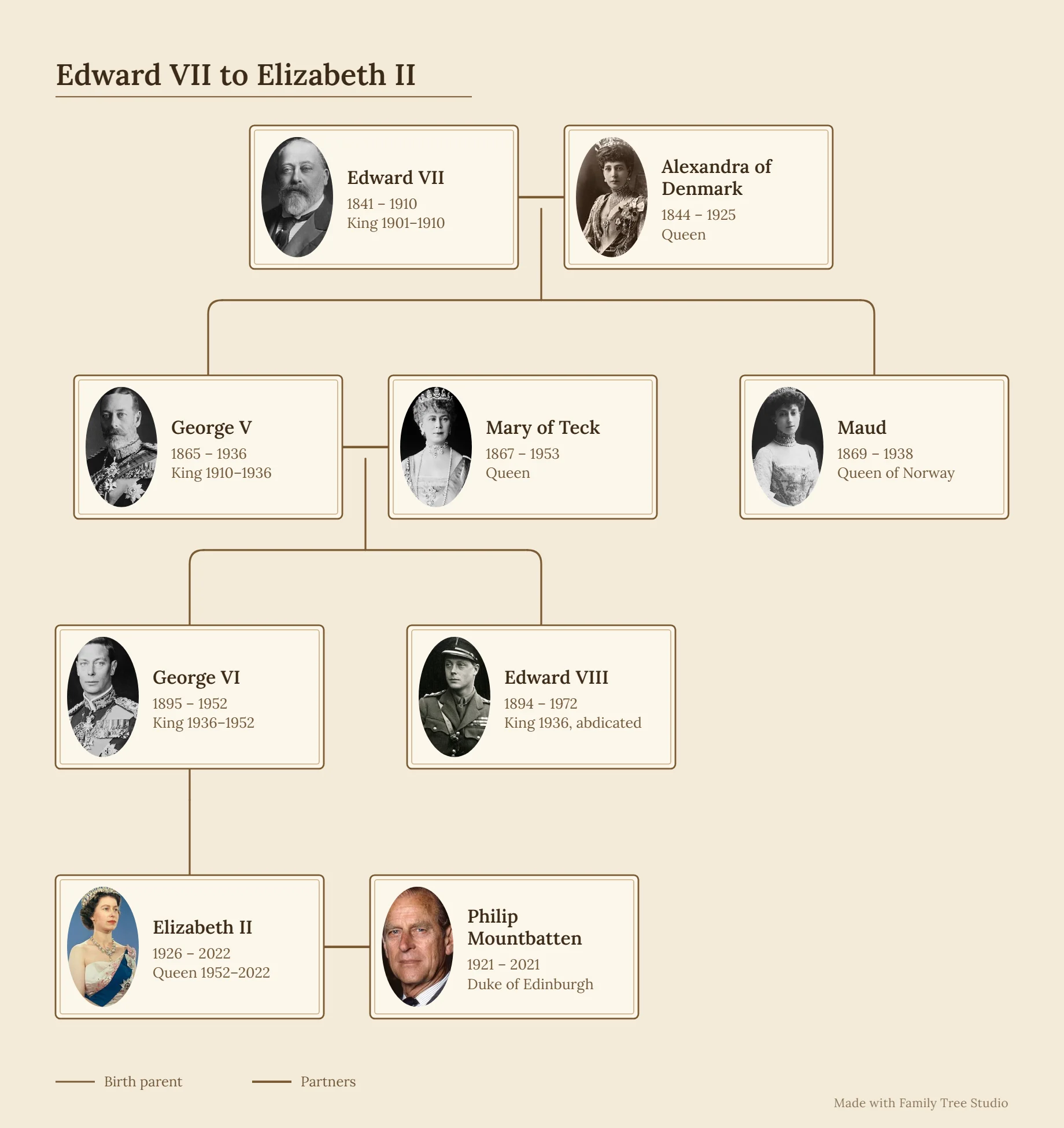
Edward VII family tree
Edward VII to Elizabeth II: Edward VII and their descendants, 9 people in all.
-
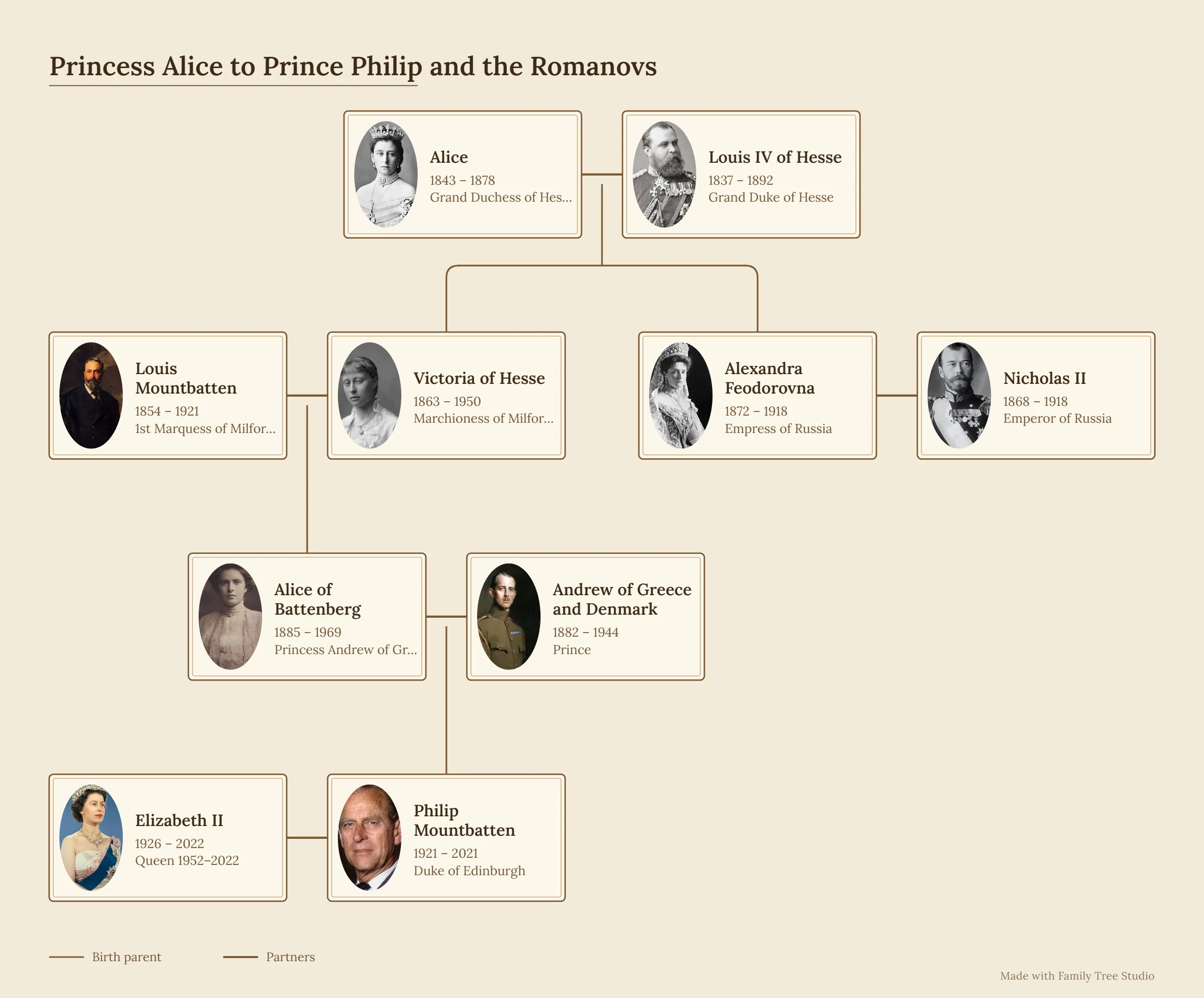
Princess Alice family tree
Princess Alice to Prince Philip and the Romanovs: Alice and their descendants, 10 people in all.
-
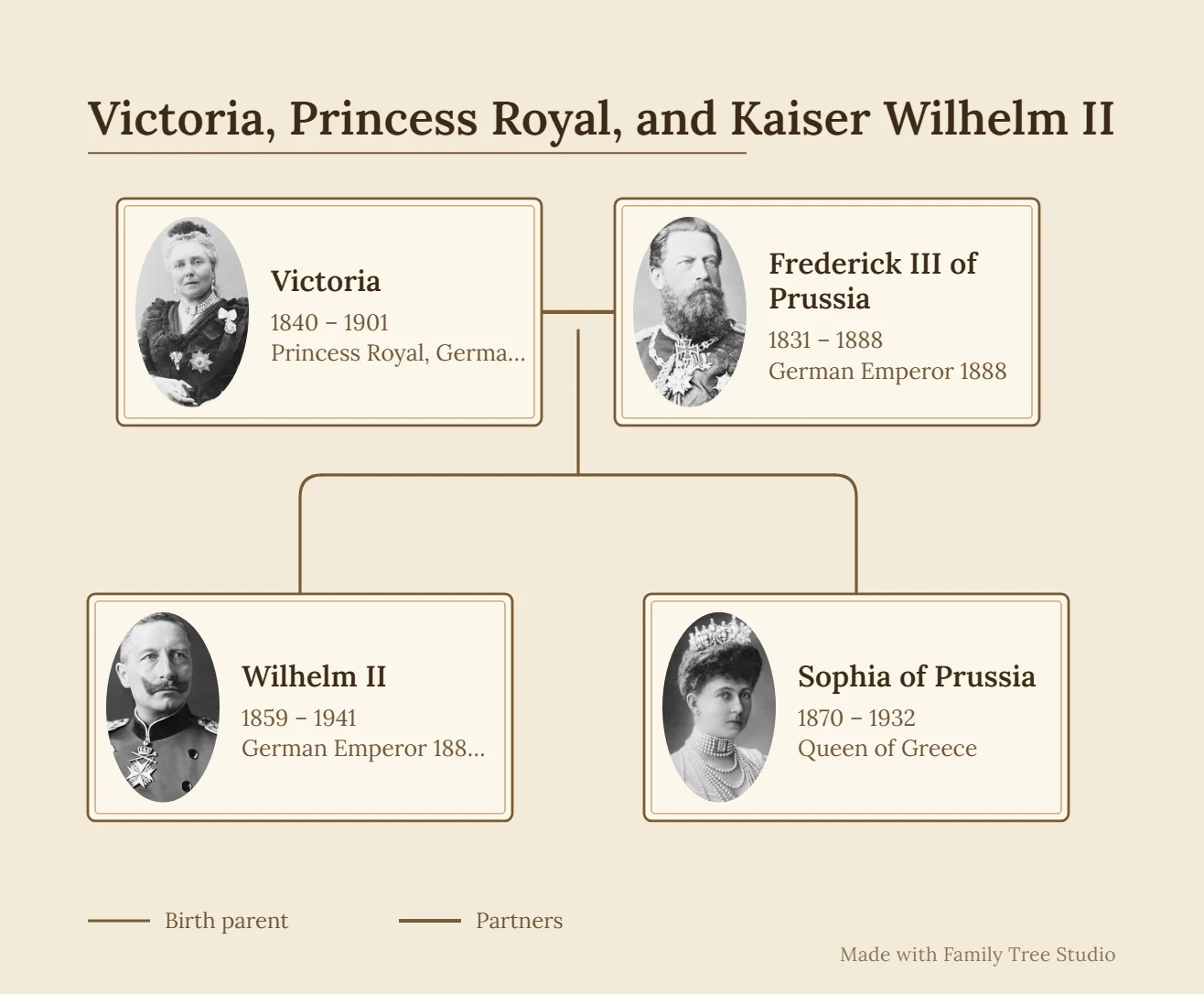
Kaiser Wilhelm II family tree
Victoria, Princess Royal, and Kaiser Wilhelm II: Victoria and their descendants, 4 people in all.
-
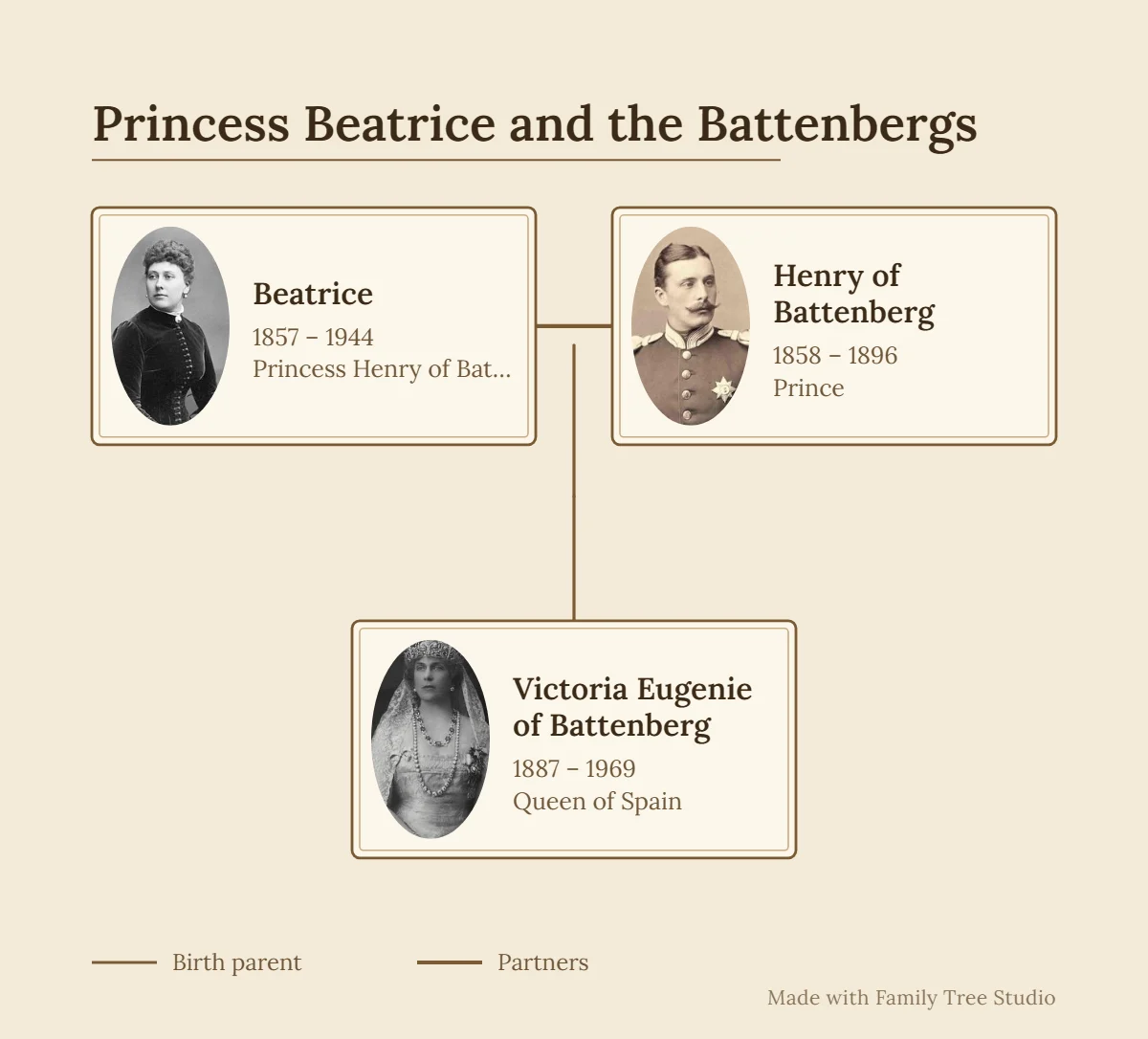
Battenberg family tree
Princess Beatrice and the Battenbergs: Beatrice and their descendants, 3 people in all.
Victoria and Albert
Victoria became queen in 1837 at the age of 18, the only child of Prince Edward, Duke of Kent, the fourth son of George III. In 1840 she married her first cousin, Prince Albert of Saxe-Coburg and Gotha. They had nine children in seventeen years. When Albert died in December 1861, Victoria went into mourning for the rest of her life and wore black until her death in January 1901, after a reign of 63 years, then the longest in British history.
Queen Victoria’s nine children
Victoria and Albert planned their children’s marriages to bind Britain to the other royal houses of Europe, especially Protestant Germany. Their children, in birth order:
- Victoria, Princess Royal (1840–1901), married Frederick III, German Emperor; mother of Kaiser Wilhelm II.
- Albert Edward, later Edward VII (1841–1910), married Alexandra of Denmark; father of George V.
- Alice (1843–1878), married Louis IV, Grand Duke of Hesse; mother of Empress Alexandra of Russia.
- Alfred (1844–1900), Duke of Edinburgh and of Saxe-Coburg and Gotha; father of Queen Marie of Romania.
- Helena (1846–1923), married Prince Christian of Schleswig-Holstein.
- Louise (1848–1939), a sculptor, married the Marquess of Lorne, later Duke of Argyll.
- Arthur (1850–1942), Duke of Connaught, Governor General of Canada.
- Leopold (1853–1884), Duke of Albany, who had haemophilia.
- Beatrice (1857–1944), married Prince Henry of Battenberg; mother of Queen Victoria Eugenie of Spain.
Why Victoria is called the grandmother of Europe
Victoria had 42 grandchildren and 87 great-grandchildren. At the start of the First World War three of her grandsons or grandsons-in-law led the main powers: King George V of Britain, Kaiser Wilhelm II of Germany (both grandsons) and Tsar Nicholas II of Russia, who had married her granddaughter Alix of Hesse. The cousins called each other “Georgie”, “Willy” and “Nicky”, yet their countries went to war in 1914.
Other granddaughters became queens of Norway (Maud), Greece (Sophia), Romania (Marie) and Spain (Victoria Eugenie). Today the monarchs of the United Kingdom, Norway, Sweden, Denmark and Spain all descend from her.
The royal disease: haemophilia
Victoria carried the gene for haemophilia B, a disorder that stops blood from clotting. Her son Leopold had the disease, and two of her daughters, Alice and Beatrice, were carriers who passed it into the royal families of Russia and Spain. Alice’s daughter Alix passed it to her son, Tsarevich Alexei of Russia, whose illness drew the family to the mystic Rasputin; Beatrice’s daughter Ena passed it to two Spanish princes. The British royal line, descended from Edward VII, was not affected. A family tree is the natural way to follow an inherited condition from one generation to the next.
How Elizabeth II and Prince Philip descend from Victoria
The chart shows two lines meeting at the bottom. Elizabeth II descends from Victoria through her eldest son: Victoria → Edward VII → George V → George VI → Elizabeth II. Prince Philip descends through her daughter Alice: Victoria → Alice → Victoria of Hesse → Alice of Battenberg → Philip.
Both were therefore great-great-grandchildren of Victoria, which makes them third cousins. When two lines of a family tree meet like this, the shared ancestors appear twice in a pedigree chart of their children, something genealogists call pedigree collapse. The modern branch of the family continues on the British royal family tree.
Who’s who in the Queen Victoria family tree, generation by generation
Everyone in the chart above, oldest generation first. People who married into the family are listed with their partner’s generation. Photos are freely licensed and credited below; children are shown without photos.
Generation 1
-
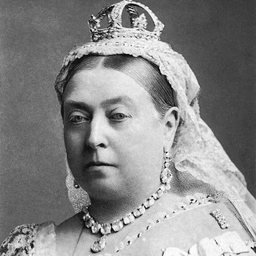
Victoria
1819 – 1901 · Queen 1837–1901, Empress of India
-

Albert of Saxe-Coburg and Gotha
1819 – 1861 · Prince Consort
Victoria’s first cousin; died of typhoid at 42.
Generation 2
-
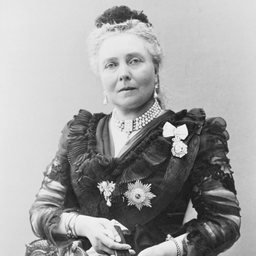
Victoria
1840 – 1901 · Princess Royal, German Empress
-

Frederick III of Prussia
1831 – 1888 · German Emperor 1888
-
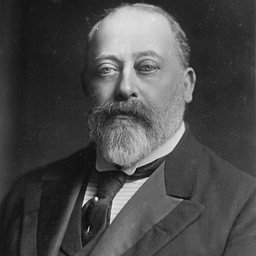
Edward VII
1841 – 1910 · King 1901–1910
-
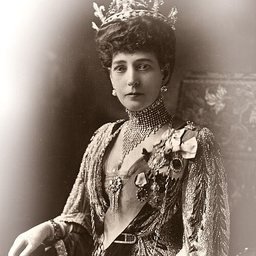
Alexandra of Denmark
1844 – 1925 · Queen
-
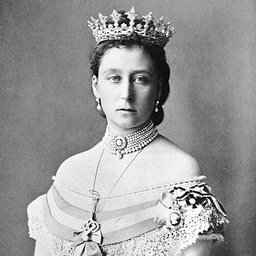
Alice
1843 – 1878 · Grand Duchess of Hesse
-
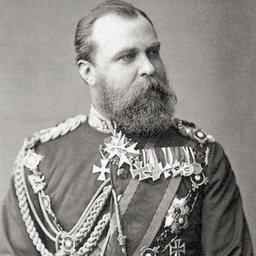
Louis IV of Hesse
1837 – 1892 · Grand Duke of Hesse
-
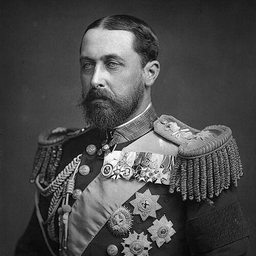
Alfred
1844 – 1900 · Duke of Edinburgh and of Saxe-Coburg
-
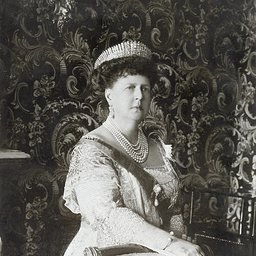
Maria Alexandrovna of Russia
1853 – 1920 · Grand Duchess
-
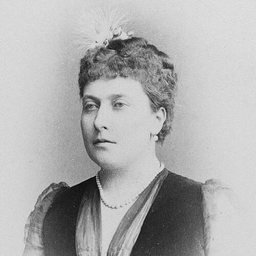
Helena
1846 – 1923 · Princess Christian
-
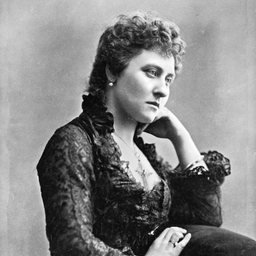
Louise
1848 – 1939 · Duchess of Argyll
A sculptor; married a commoner, the Marquess of Lorne.
-

Arthur
1850 – 1942 · Duke of Connaught
Governor General of Canada.
-
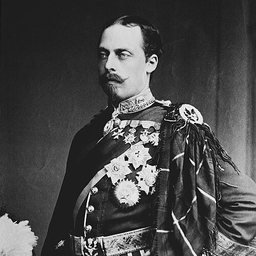
Leopold
1853 – 1884 · Duke of Albany
Had haemophilia; died after a fall at 30.
-
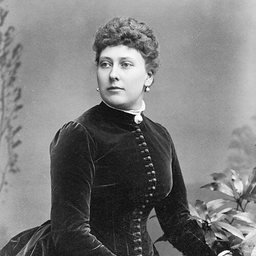
Beatrice
1857 – 1944 · Princess Henry of Battenberg
The youngest; her mother’s companion and secretary.
-
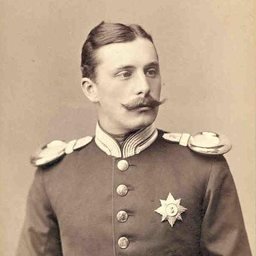
Henry of Battenberg
1858 – 1896 · Prince
Generation 3
-
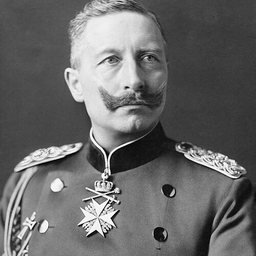
Wilhelm II
1859 – 1941 · German Emperor 1888–1918
-
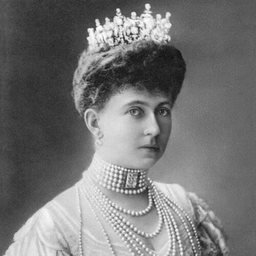
Sophia of Prussia
1870 – 1932 · Queen of Greece
-
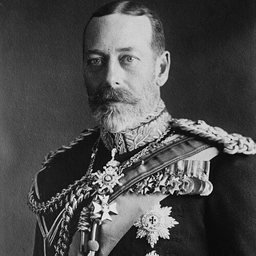
George V
1865 – 1936 · King 1910–1936
-
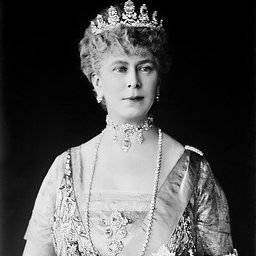
Mary of Teck
1867 – 1953 · Queen
-
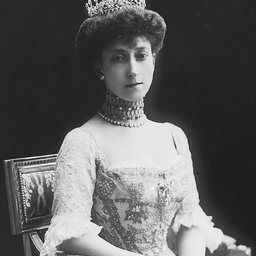
Maud
1869 – 1938 · Queen of Norway
-
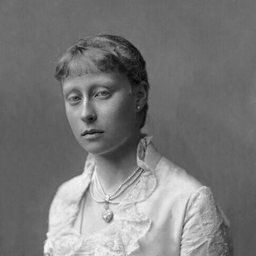
Victoria of Hesse
1863 – 1950 · Marchioness of Milford Haven
Prince Philip’s grandmother.
-
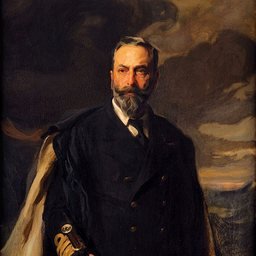
Louis Mountbatten
1854 – 1921 · 1st Marquess of Milford Haven
Born Prince Louis of Battenberg.
-
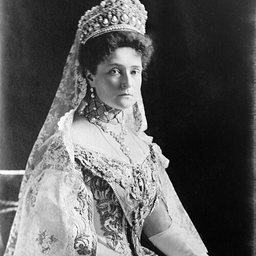
Alexandra Feodorovna
1872 – 1918 · Empress of Russia
Born Alix of Hesse; killed with her family in 1918. Her son Alexei had haemophilia.
-

Nicholas II
1868 – 1918 · Emperor of Russia
-
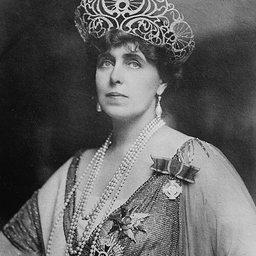
Marie of Edinburgh
1875 – 1938 · Queen of Romania
-
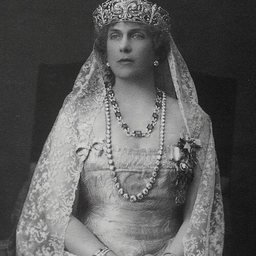
Victoria Eugenie of Battenberg
1887 – 1969 · Queen of Spain
Generation 4
-
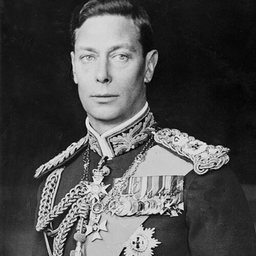
George VI
1895 – 1952 · King 1936–1952
-
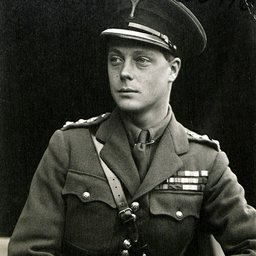
Edward VIII
1894 – 1972 · King 1936, abdicated
-
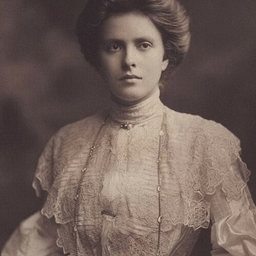
Alice of Battenberg
1885 – 1969 · Princess Andrew of Greece
Prince Philip’s mother.
-
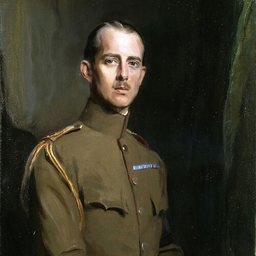
Andrew of Greece and Denmark
1882 – 1944 · Prince
Generation 5
-

Elizabeth II
1926 – 2022 · Queen 1952–2022
-
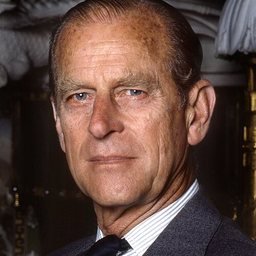
Philip Mountbatten
1921 – 2021 · Duke of Edinburgh
Make a family tree like this one
This chart was drawn by the same free family tree maker you can use for your own family. Start with one person, add parents, partners and children, and the layout, lines and generations are drawn for you.
- Open the Queen Victoria family tree in the editor to try it: change the style, show only one branch, or print it on A3.
- For one person’s ancestors only, use the pedigree chart maker or the fan chart maker.
- Not sure what to call a relative? The relationship calculator explains second cousins and “once removed”.
- Prefer pen and paper? Print a free family tree template, or read how to make a family tree step by step.
Questions about the Queen Victoria family tree
How many children did Queen Victoria have?
Nine: Victoria, Albert Edward (Edward VII), Alice, Alfred, Helena, Louise, Arthur, Leopold and Beatrice. All nine survived to adulthood, which was unusual at the time.
How many grandchildren did Queen Victoria have?
Forty-two, of whom 34 survived to adulthood. She also had 87 great-grandchildren.
Is Queen Elizabeth II a direct descendant of Queen Victoria?
Yes. Elizabeth II was Queen Victoria’s great-great-granddaughter through Edward VII, George V and George VI.
How was Kaiser Wilhelm II related to George V?
They were first cousins. Wilhelm was the son of Victoria’s eldest daughter Vicky; George V was the son of her eldest son Edward VII. Tsar Nicholas II was a first cousin of George V through their mothers, who were sisters.
How is King Charles III related to Queen Victoria?
Charles III is Victoria’s great-great-great-grandson through his mother, and also through his father Prince Philip, whose great-grandmother was Victoria’s daughter Alice.
Was Prince Albert related to Queen Victoria?
Yes, they were first cousins. Albert’s father, Ernest I of Saxe-Coburg and Gotha, was the brother of Victoria’s mother, Princess Victoria of Saxe-Coburg-Saalfeld.
Can I print Queen Victoria’s family tree?
Yes. Open it in the editor and choose Tools → Export and print. A3 or A2 paper suits a tree of this size, and you can add more grandchildren before printing.
Related family trees
-
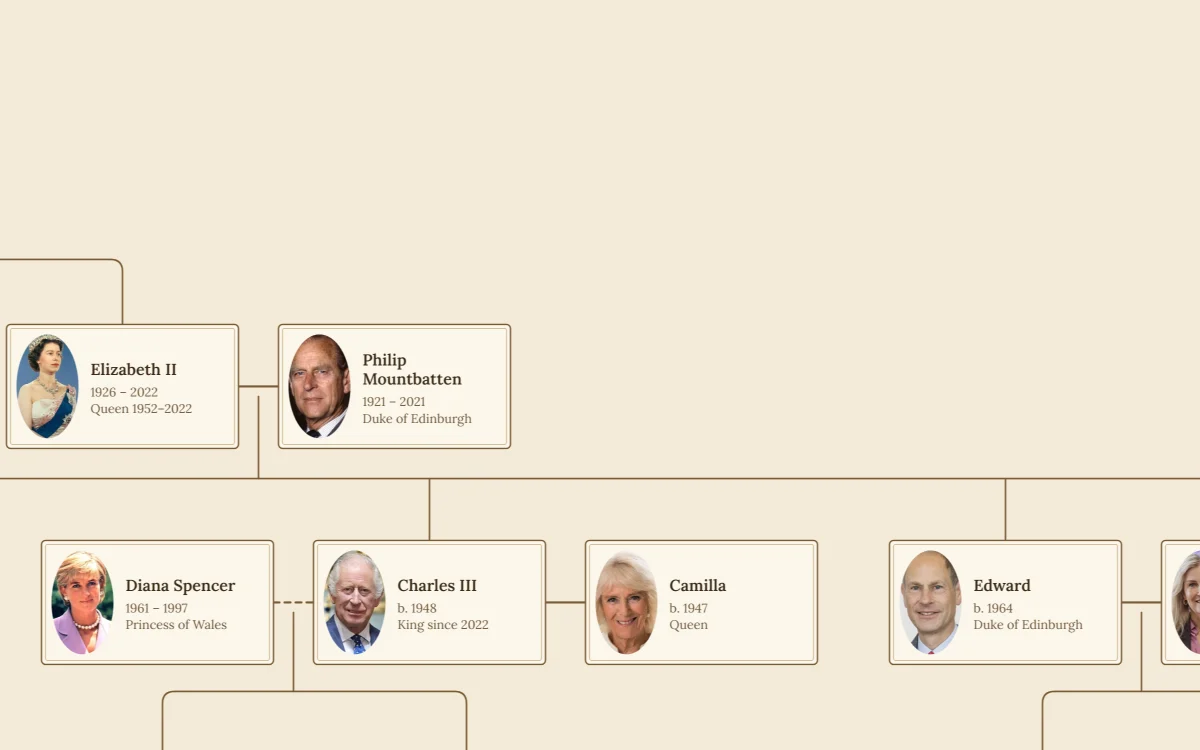
British Royal Family Tree
From George VI and Elizabeth II to King Charles III, William, Harry and their children.
-

Rothschild Family Tree
Mayer Amschel’s five sons and the English and French branches that continue today.
-
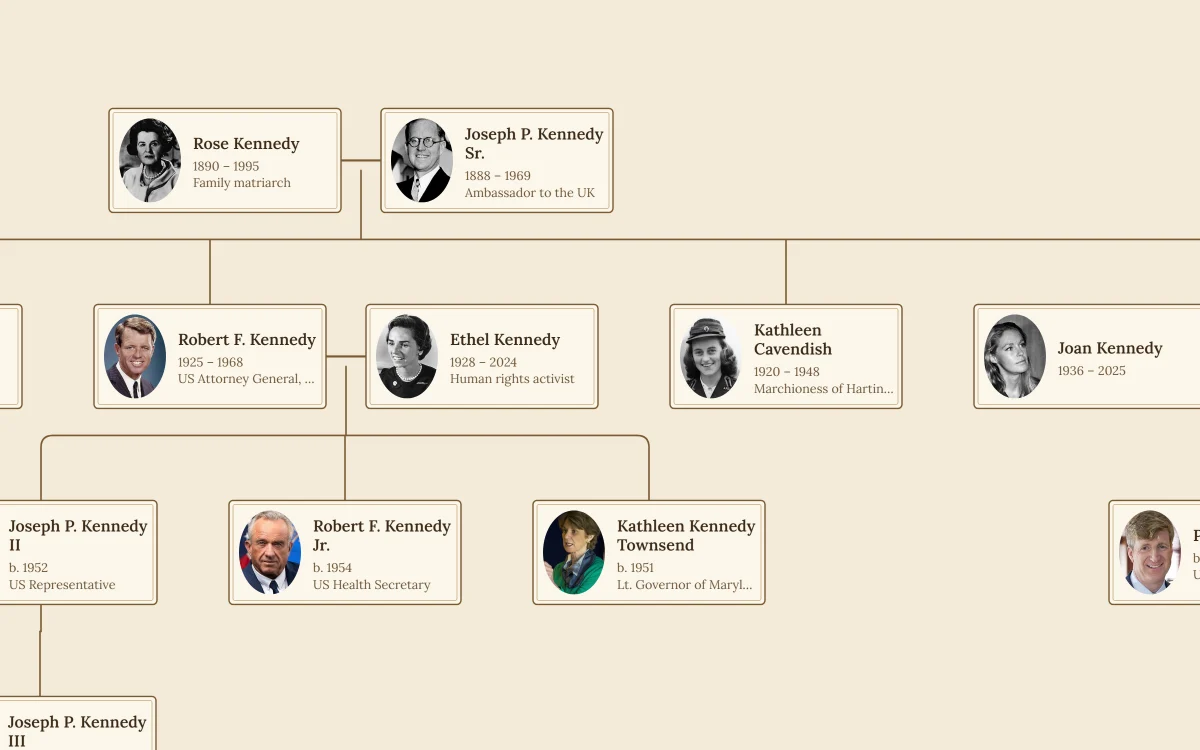
Kennedy Family Tree
Joseph and Rose Kennedy’s nine children, JFK, RFK and Ted, and the next generation.
Sources and notes
This family tree is a selection: it shows all of Queen Victoria’s children but only the grandchildren who reigned or whose lines lead to the present royal family. Several children’s spouses and many grandchildren are left out to keep the chart readable.
Photo credits (33)
- Victoria: Alexander Bassano, Public domain
- Albert of Saxe-Coburg and Gotha: Vernon Heath, published by Samuel E. Poulton, Public domain
- Victoria: Thomas Heinrich Voigt, Public domain
- Frederick III of Prussia: Reichard & Lindener, Public domain
- Edward VII: W. & D. Downey, Public domain
- Alexandra of Denmark: W. & D. Downey, Public domain
- Alice: Franz Backofen, Public domain
- Louis IV of Hesse: Original uploader was User:Mrlopez2681 at en.wikipedia, Public domain
- Alfred: Attributed to Maull and Fox, Public domain
- Maria Alexandrovna of Russia: L.Gorodetskiy, Public domain
- Helena: Unknown authorUnknown author, Public domain
- Louise: Vianelli Brothers, Public domain
- Arthur: Alexander Bassano, Public domain
- Leopold: Maull & Fox, Public domain
- Beatrice: Walery, London (fl. 1864-90), Public domain
- Henry of Battenberg: Unknown authorUnknown author, Public domain
- Wilhelm II: Studio of Thomas Heinrich Voigt, Public domain
- Sophia of Prussia: Unknown authorUnknown author, Public domain
- George V: Bassano Ltd, Public domain
- Mary of Teck: Bain News Service; edited by Fir0002, Public domain
- Maud: Mittet & Co., Public domain
- Victoria of Hesse: Alexander Bassano, Public domain
- Louis Mountbatten: Wikimedia Commons, Public domain
- Alexandra Feodorovna: Boasson and Eggler St. Petersburg Nevsky 24.Bain News Service, publisher, Public domain
- Nicholas II: Unknown author (originally uploaded to Wikimedia Commons on 22 August 2012 by Peruanec), Public domain
- Marie of Edinburgh: Unknown photographer, Public domain
- Victoria Eugenie of Battenberg: Christian Franzen, Public domain
- George VI: Matson Photo Service, Public domain
- Edward VIII: Freeland Studio, Public domain
- Alice of Battenberg: Henry Walter Barnett, Public domain
- Andrew of Greece and Denmark: Philip de László, Public domain
- Elizabeth II: Donald McKague, Public domain
- Philip Mountbatten: Allan Warren, CC BY-SA 3.0
Now make your own family tree
Your family is just as interesting. Add your parents, grandparents and cousins, then print it in the same style as the Queen Victoria family tree. Free, with no sign-up.